Hardware Components of Virtual Reality
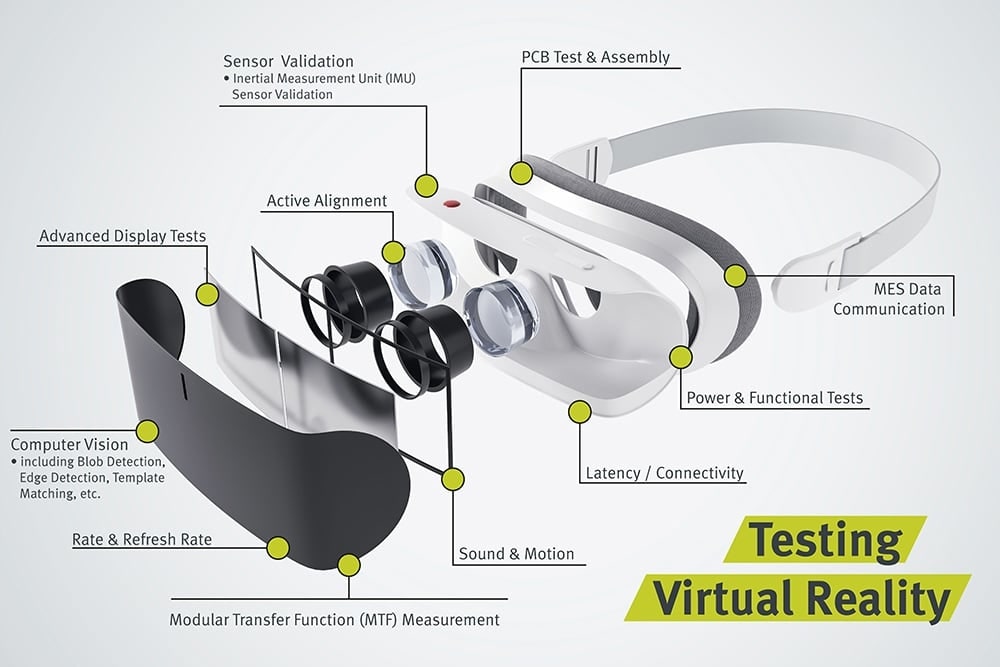
The foundation of any VR experience begins with specialized hardware designed to create convincing immersive environments. VR headsets, the most recognizable component, contain high-resolution displays positioned very close to the user's eyes, with lenses that focus and reshape the image for each eye to create stereoscopic 3D vision. Modern headsets like the Oculus Quest 2, HTC Vive, and PlayStation VR feature display resolutions exceeding 4K, refresh rates of 90Hz or higher to prevent motion sickness, and wide field-of-view lenses that typically cover 100-110 degrees. These headsets incorporate sophisticated tracking systems using a combination of internal gyroscopes, accelerometers, and external sensors or cameras to monitor head movement with six degrees of freedom (6DoF), meaning they track rotation and positional movement in physical space. This precise tracking ensures that when users turn their heads or move through space, the virtual world responds exactly as the physical world would.
Beyond headsets, VR systems include various input devices that enable interaction with virtual environments. Hand controllers have evolved from simple pointers to sophisticated devices with haptic feedback, finger tracking, and precise motion detection. These controllers often include buttons, triggers, thumbsticks, and touch-sensitive surfaces that allow for natural interactions like grabbing, throwing, and manipulating virtual objects. Additional hardware components include tracking stations or base stations that create a defined play area and track movement within it, haptic feedback vests and gloves that provide physical sensations corresponding to virtual events, and omnidirectional treadmills that allow users to walk infinitely in virtual spaces while remaining in a limited physical area. The computational power required for convincing VR experiences typically comes from high-end gaming PCs, gaming consoles, or increasingly, self-contained processors built into standalone headsets that eliminate the need for external computers.
Software and Development Platforms
Creating virtual reality experiences requires specialized software development platforms and engines that can render complex 3D environments in real-time while maintaining the high frame rates essential for comfortable VR. Unity and Unreal Engine are the two dominant platforms for VR development, offering comprehensive toolkits for creating interactive 3D content, implementing physics, handling user input, and optimizing performance. These engines provide specific VR development modules that handle stereoscopic rendering, controller input mapping, and implementing comfort features like vignetting during movement to reduce motion sickness. Developers use programming languages like C# (for Unity) and C++ (for Unreal) along with 3D modeling software such as Blender, Maya, or 3ds Max to create assets, and audio tools for spatial sound design that makes audio sources appear to come from specific locations in 3D space.
The software architecture of VR applications must address several unique challenges not present in traditional software development. Rendering optimization is critical since VR requires drawing each scene twice (once for each eye) at high resolutions and frame rates, demanding efficient use of hardware resources. Latency management is equally important, as any delay between user movement and visual updates can cause discomfort; developers implement techniques like asynchronous timewarp and predictive tracking to minimize perceived latency. User interface design in VR follows different principles than 2D interfaces, requiring consideration of 3D space, comfortable interaction distances, and intuitive control schemes. Additionally, VR software must implement safety features like guardian systems that warn users when they approach physical boundaries, and comfort options that accommodate different sensitivity levels to virtual movement. These technical considerations make VR development both challenging and rewarding for software engineers and designers.